 So. The Council on Biblical Manhood and Womanhood just came out with a statement, which I have questions about, but before I get to those, I have some questions about biblical womanhood, because I’m not clear which woman/women of the Bible I am supposed to be like. I say that as someone who’s been a church goer and Christian for 45 years. I’ve studied the Bible probably more than some, and I have some questions.
I could ask the five women on the council what they think, although none claims to be a Biblical scholar, so maybe I should ask the men. At any rate, here is what I’m wondering about.
Should my biblical role model be Eve, the first woman to disobey God?
Should my biblical role model be Noah’s wife, who evidently did so little during the flood that she didn’t even merit a name?
Should my biblical role model be Sarah, who finished late in the game and had only one son, who pretended to be her husband’s sister, who laughed at God, who banished her slave and the mother of her husband’s other son to the desert?
Should my biblical role model be Dinah, horrifically raped, whose violation led to the circumcision and then murder of her assailants?
Should my biblical role model be Puah and Shiphrah, Hebrew midwives who risked Pharoah’s wrath and punishment by pulling a child from the river?
Should my biblical role model be Miriam, who, among other things, danced?
Should my biblical role model be Deborah, the Sandra Day O’Conner of her day?
Should my biblical role model be Jael, who killed the leader of her enemy by driving a tent pole through his head while he slept?
Should my biblical role model be the wife in Proverbs 31, the Enjoli woman of her time, who did everything except sleep?
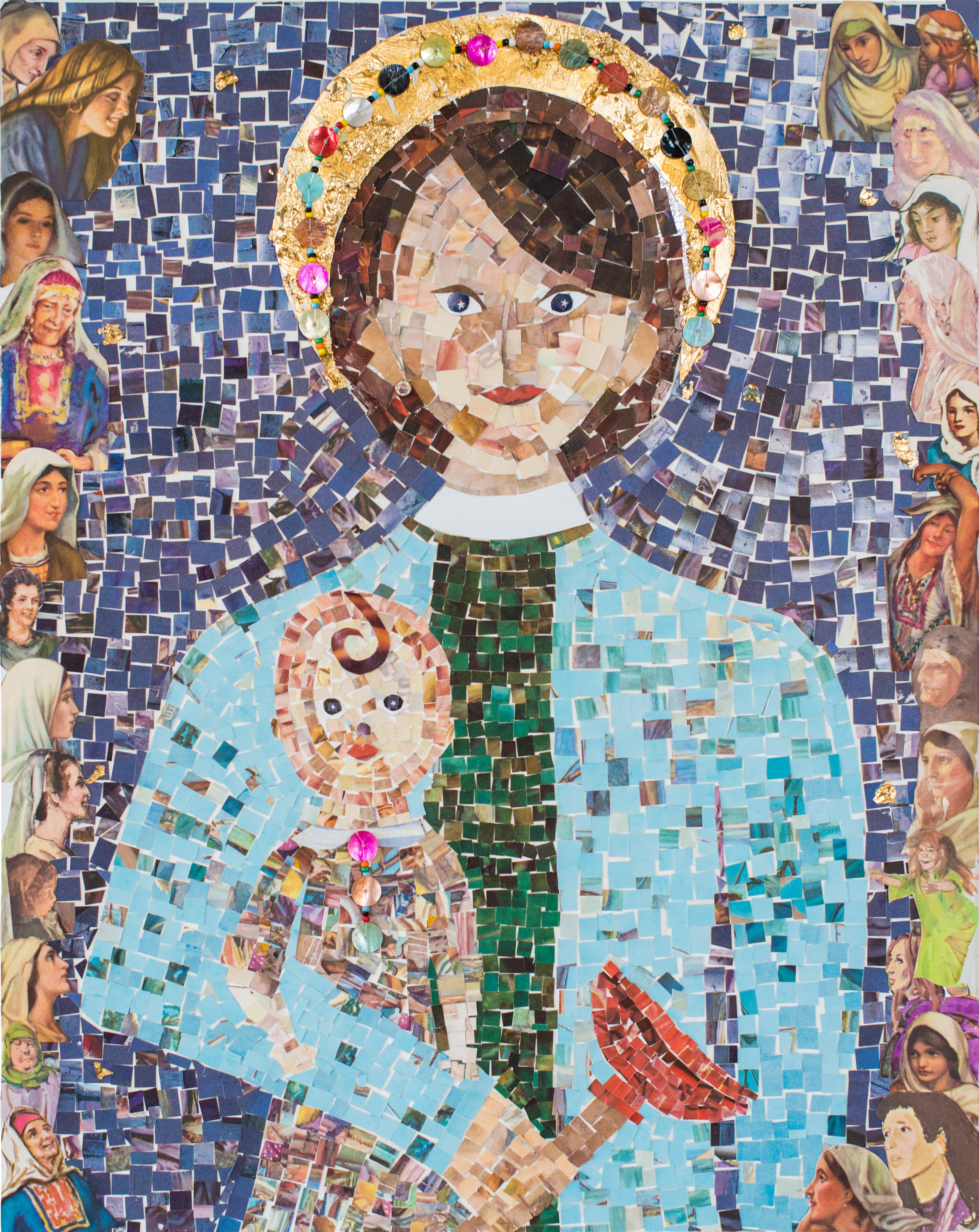
Or should I look to the Christian scripture? Should my biblical role Mary, who sang about toppling kings from their thrones and cradled the body of her dead son?
Should my role model be Mary Magdalene, who (as you know if you read the Bible) was not a prostitute, but the first female apostle, who (as far as we know) never married or had children?
Should my role model be Lydia, the real housewife of Thytira, who ran with the big dogs and made a lot of money and then opened her household to complete strangers who were in need?
Should my role model be Joanna, Phoebe, Prisca, and Aquila, deaconesses who took care of people?
Should my role model be the thousands of unnamed women in the Bible who made fabric and clothing, tended the fields, kept the fires burning, birthed baby after baby after baby, raised children, and endured second-class citizenship but kept the faith throughout?
I’m so not clear here. But here’s what I think. That if I’m to model the biblical womanhood of any of these women, I should be reaching out the vulnerable, pulling strangers out of the flood, breaking rules that make no sense and are not just, feeding people, and taking strangers into my home. I should be singing and dancing and taking leadership roles.
But as far as I know, if I am to follow the example of biblical womanhood as set forth in this scripture that I love and wrestle with, then I don’t need to be writing statements about sexual morality and who is and isn’t a sinner. None of them did that.
Thank God.
 Hold Fast to What Is Good